Potato
Struan Robertson
Tiliqua scincoides
Key traits and size details for Blue-Tongued Skink.
Length
Weight
Lifespan
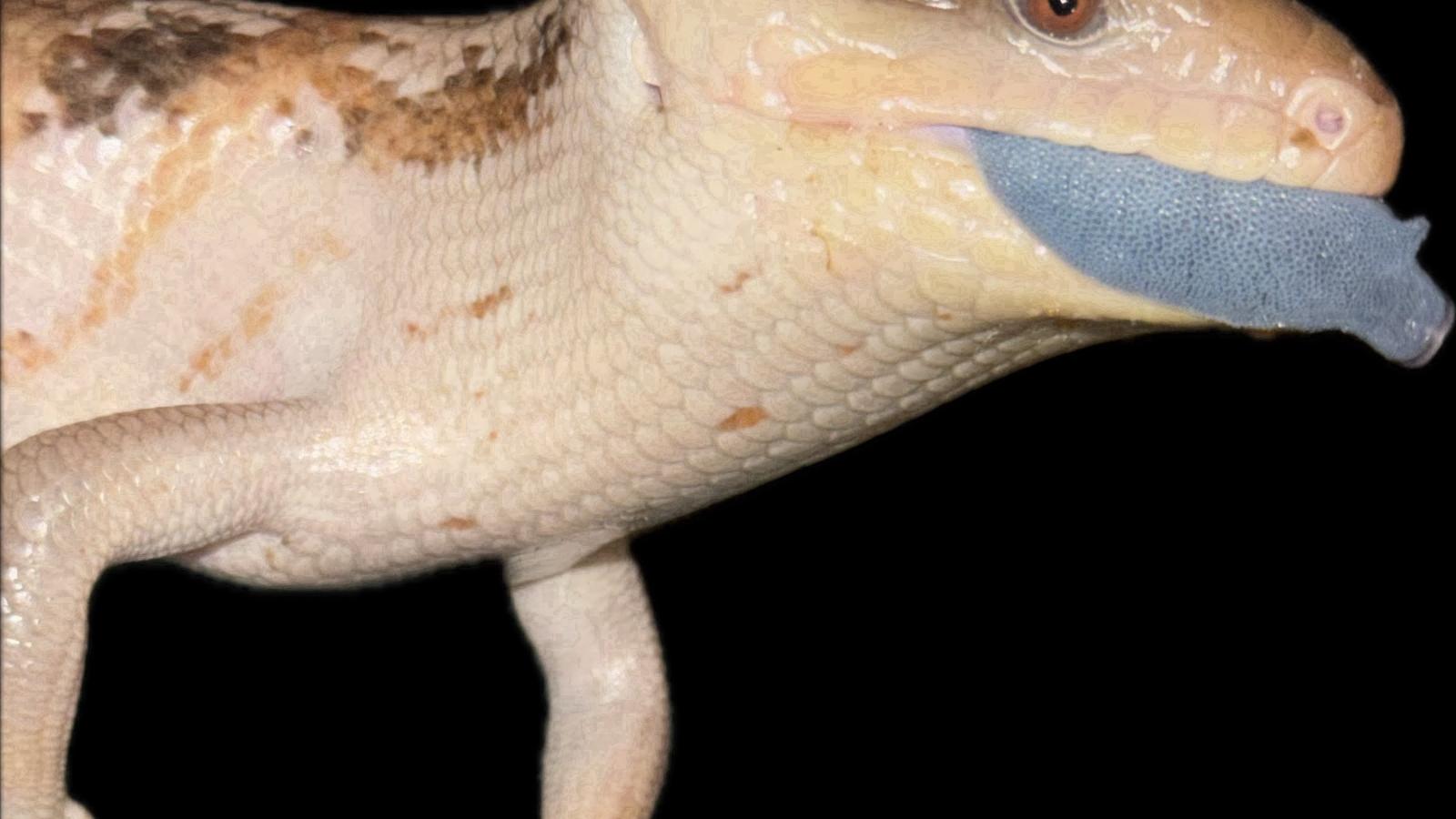
A blue-tongued skink with a broad blue tongue used in defensive display; Tiliqua scincoides includes Australian eastern and northern forms and an Indonesian Tanimbar form.
Native and introduced range details for Blue-Tongued Skink.
Explore the highlighted native and introduced range for this species. Hover or tap a country to inspect it on the map.
Eastern and northern Australia, and the Tanimbar and Babar Islands of Indonesia; geographic forms should be distinguished when giving care advice.
No sourced temperature range yet.
No sourced humidity range yet.
Reference size-over-age data for Blue-Tongued Skink.
Species size over age from anonymized shared keeper measurements.
This chart shows anonymized shared keeper measurements grouped by species, sex, and age. Individual keepers and reptiles are not identified.
This metric currently uses a general reference curve rather than sex-specific data. The curve spans 32 to 34 months, rising from 481.9 g to 562 g.
Housing, feeding, and handling guidance collected in one place.
Identify the exact Tiliqua scincoides form before setting humidity. Provide a secure, ventilated enclosure with room to move, substantial substrate for burrowing, hides at both temperature ends, and a moist hide.
Provide a shallow dish of fresh water at all times and replace it daily or whenever soiled.
Provide a measured heat gradient and a shaded UVB refuge. The RSPCA blue-tongue guide advises thermostats, guarded lamps and regular checks of temperatures and UV output; match humidity to the animal’s locality.
Australian forms are opportunistic omnivores; recorded wild foods include snails, slugs, insects, fruit, fungi, berries and flowers.
Offer a varied omnivorous diet with plant and animal foods, including appropriate live invertebrates and captive-sourced snails. Avoid overfeeding; monitor weight and remove uneaten live insects.
House skinks separately because they can injure one another. Scoop up with both hands supporting all legs, and wait if the skink retreats or displays defensively.
Approved catalog and community photos for Blue-Tongued Skink.
Community contribution
Browse approved catalog images and community-submitted reptile photos for Blue-Tongued Skink. Community images retain contributor attribution in both the gallery and expanded view.
Create a free account to save these preferences across devices.
Units
Appearance