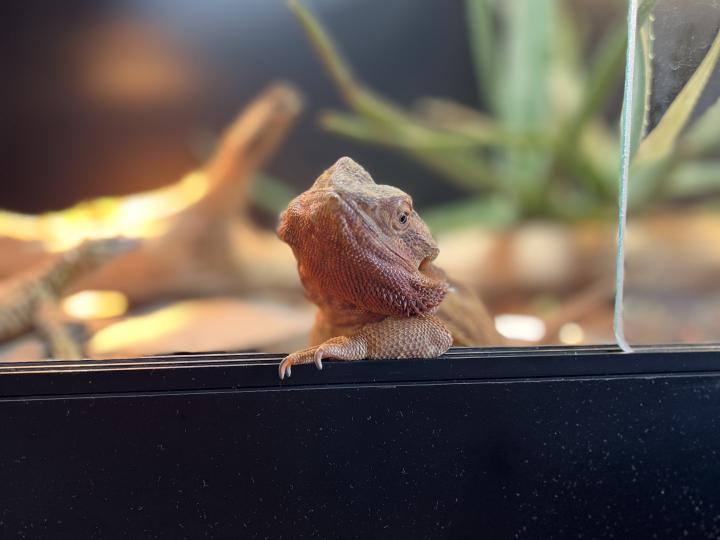
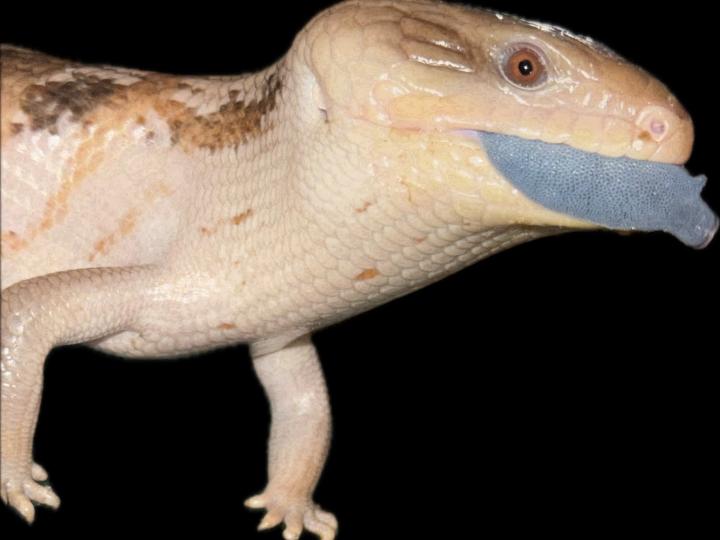
Hemitheconyx caudicinctus
Key traits and size details for African Fat-Tailed Gecko.
Length
Weight
Lifespan
Terrestrial West African gecko with movable eyelids and a fat-storing tail; adults are commonly around 20 cm long.
Native and introduced range details for African Fat-Tailed Gecko.
Explore the highlighted native and introduced range for this species. Hover or tap a country to inspect it on the map.
Native to West Africa from Senegal and the Gambia east through the savanna belt to northern Cameroon; some marginal country records remain uncertain.
No sourced temperature range yet.
No sourced humidity range yet.
Veterinary guidance gives a daytime cool area near 25°C and warm area of 28-30°C, a night range of 20-25°C, and around 60% relative humidity with a moist shedding retreat.
Reference size-over-age data for African Fat-Tailed Gecko.
Species reference size over age, built from curated catalog points rather than an individual reptile record.
Add at least two length or weight points to plot a species reference curve.
Housing, feeding, and handling guidance collected in one place.
Provide a floor-focused enclosure with several secure hides at different temperatures and a moist shedding retreat. The veterinary teaching hospital sizes floor width at 2-3 times the gecko’s total length and depth at 1-1.5 times its length.
Provide a daytime cool area around 25°C and warm area around 28-30°C, with 20-25°C at night. Use thermometers in both areas; the veterinary source describes UVB as probably beneficial but does not specify a UVI target.
Nocturnal insectivore that eats insects and other invertebrates.
Offer varied appropriately sized insects, with vitamin and mineral supplementation because captive diets are less varied than wild diets.
Keep clean drinking water available and provide a moist refuge for shedding. The veterinary teaching hospital also recommends an annual physical examination.
Approved catalog and community photos for African Fat-Tailed Gecko.
No approved gallery images are available for African Fat-Tailed Gecko yet.
Browse approved catalog images and community-submitted reptile photos for African Fat-Tailed Gecko. Community images retain contributor attribution in both the gallery and expanded view.
Create a free account to save these preferences across devices.
Units
Appearance